Work-Life Balance Isn’t Dead, You Just Need Better Boundaries (and a Better Office).
office spaces
We’ve been blaming work-life balance problems on people for years. Poor time management, weak discipline, too many notifications, but after watching how professionals actually work today, we’ve learned something different. The issue isn’t effort, it’s environment. Work has seeped into places it’s not supposed to be. Dining tables became desks. Bedrooms became meeting rooms. Day stopped having clear edges. Where work lives everywhere, balance becomes theoretical. And no productivity hack will fix that.
Why Coworking Spaces Are Being Reframed Around Balance
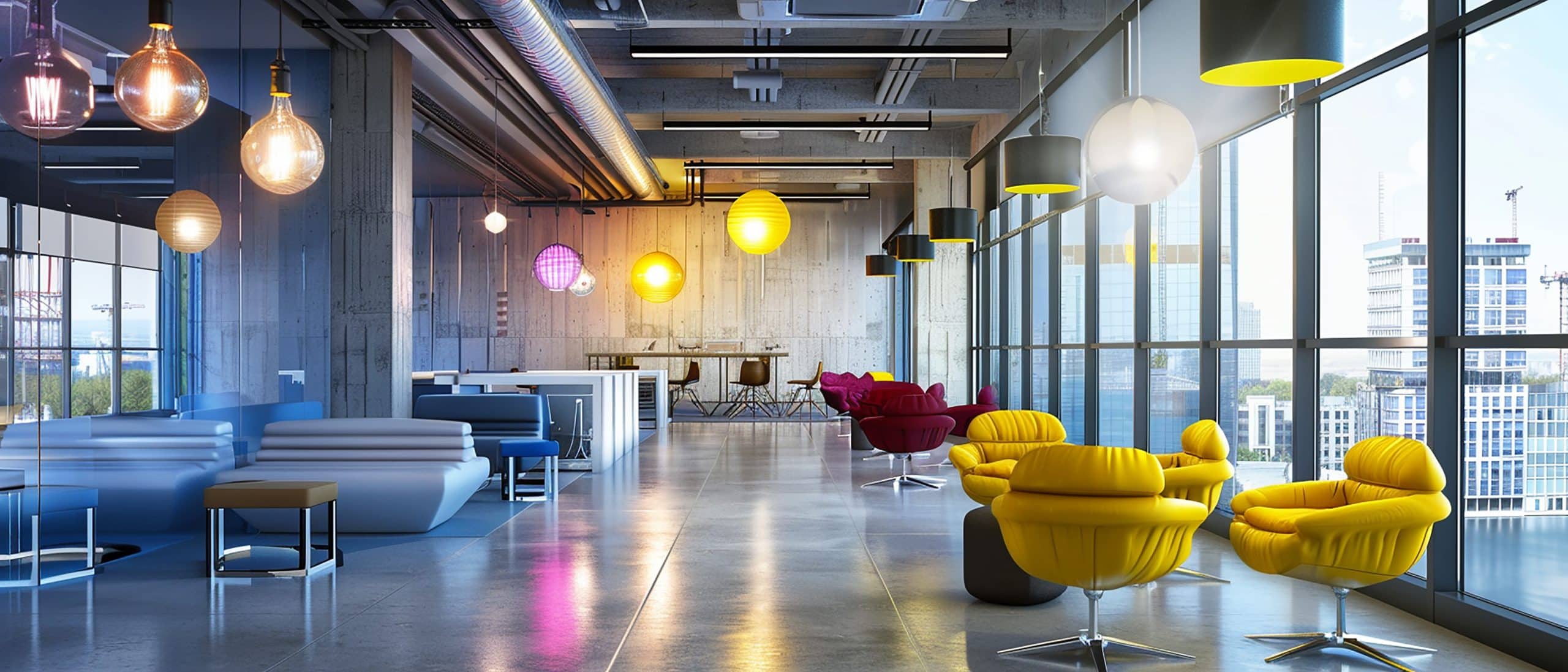
Coworking didn’t start as a lifestyle concept, rather, it started off purely practical: a place to work, without either the rigidity of traditional offices or the chaos of home. Coworking for work-life balance, today, professionals are rediscovering that original purpose. A good coworking space creates a psychological switch. When you enter, you’re working. When you leave, you’re not, that separation matters more than flexible hours ever did.
We also notice that members who cowork with intention tend to get their work done quicker, not slower. The focus is sharper when there’s a thoughtful design for eliminating distractions. Meetings happen in proper rooms. Calls don’t bleed into personal space. Work ceases to feel like it is always hovering in the background. Coworking for work-life balance succeeds because it reintroduces structure without strangling flexibility. It gives the professional control over where work lives again.
What a truly professional workspace looks like in the UAE
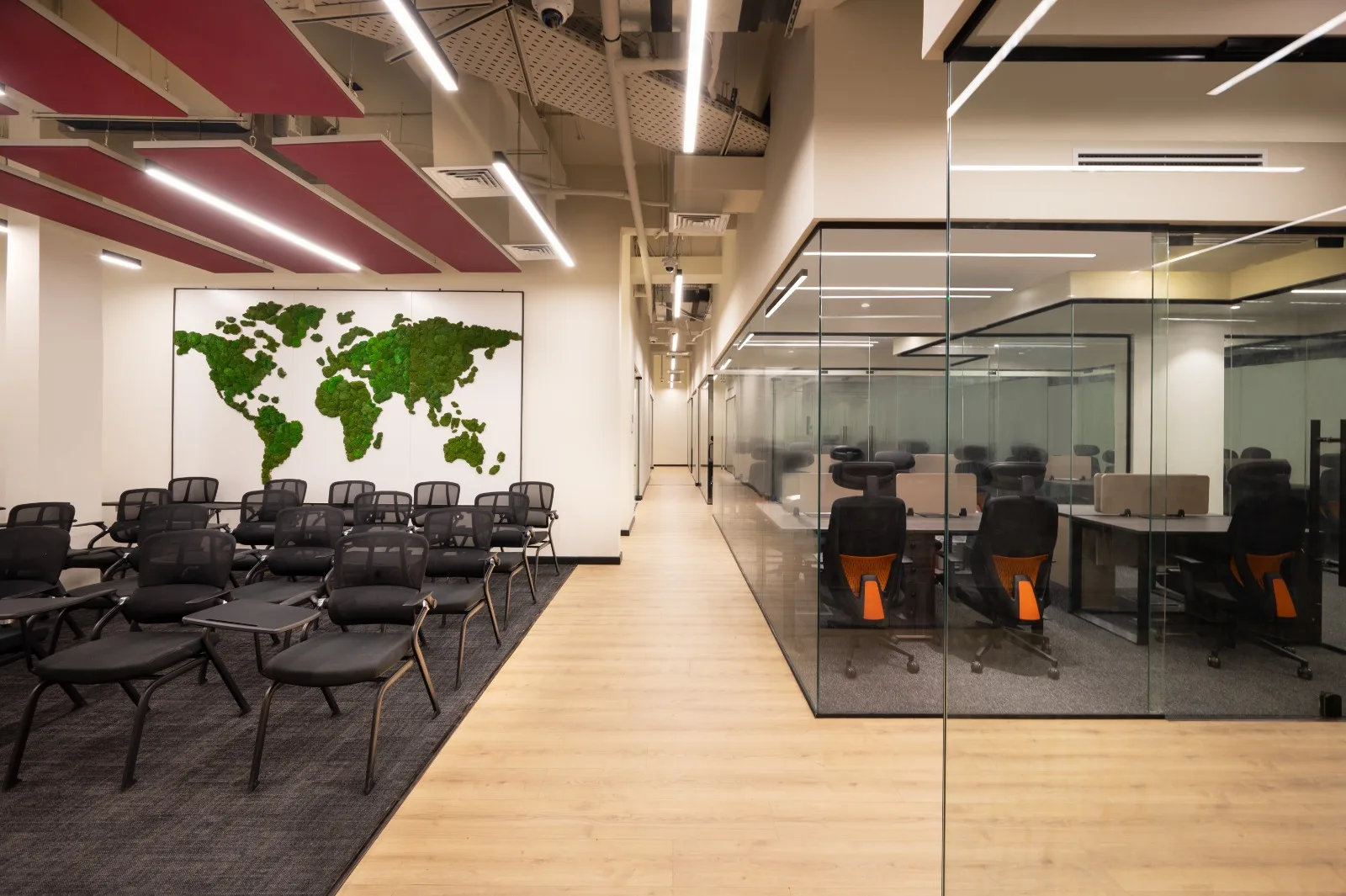
The UAE’s work culture has transformed in a short period of time. Global teams, regional headquarters, start-ups, consultants, and remote-first companies all flourish alongside one another. That kind of diversity demands an increased bar for workspace design and management. A workspace in the UAE today is expected to do more than look great; it actually has to support privacy, productivity, and credibility. Impressively finished meeting rooms are expected by clients. Teams require dependable infrastructure to get things done. And individuals need quiet zones that really allow them to focus.
In our experience, the most professional workspaces here understand regional work rhythms, business etiquette, and international expectations. It can balance hospitality with seriousness, feel welcoming without feeling casual. This matters because professionals aren’t just choosing where to sit. They’re choosing where to think, negotiate, and make decisions that affect their businesses.
It is Structure, Not Isolation, That Working Remotely Demands
Working from home will not go away anytime soon. But the concept that it means working alone, in isolation, indefinitely is facing a challenge. Turns out, many professionals have found that remote work solutions are strongest when paired with physical spaces. A place to anchor the workday. A location for important meetings. A setting where collaboration naturally has a chance to happen, not just pre-booked video calls.
We’ve seen teams leveraging workspaces as hubs, rather than headquarters. Come in when the need for focused work or collaboration matters most, and otherwise work from home. This hybrid rhythm cuts on burnout without eroding accountability. Remote work works best when it’s supported by intentional infrastructure, and space is part of that infrastructure.
Why hybrid workspaces have become the default
Hybrid office space in the UAE has come a long way from an experiment to a baseline expectation. Firms want flexibility without losing culture. Professionals want autonomy without losing momentum. Hybrid office spaces offer both, they let teams scale up or down without commitments for a long time, support in-person collaboration while allowing respect for individual work styles, and build a sense of community without enforcing constant presence.
From what we see, hybrid isn’t about splitting days evenly. It’s about using space strategically. Coming together when it adds value. Separating when focus is needed. The right workspace makes that balance intuitive rather than forced.
We Approach Workspaces Differently
At Workspace downtown, we have spent years watching how people actually work, not how they say they do. That experience informs every decision that we make. We design spaces for behaviour, not for trends. Quiet areas that remain quiet. Meeting rooms are free when they’re required. Layouts eliminating friction rather than creating it. We aren’t here to impress visitors, we’re here to support professionals who require consistency, clarity, and reliability.
We have worked with solo consultants, growing teams, and established companies. The common thread is always the same: people do better work when the space shows respect for their time and attention.
This Works for Our Clients
Clients choose us over others because they are tired of improvising; they seek a workspace that takes unnecessary decisions off their day. Our approach works because it aligns space with outcomes. Better focus leads to shorter workdays. Clear boundaries reduce burnout. Professional environments support confidence, both internally and externally. We don’t position ourselves as a perk, we position ourselves as a partner-one that understands that work-life balance is not about doing less work but doing the right work in the right place and at the right time.
Work-life balance isn’t dead, it’s waiting for environments that respect it, and as work continues to evolve, so will the spaces that support it.