10 Productivity Hacks for Remote Workers and Freelancers
The nature of work has changed, what used to be contained in offices has spilled over into coffee shops, living rooms, and shared co-working spaces. For remote workers and freelancers, the change is freeing but not without difficulty. Flexibility has its own distractions, and without borders, it’s simple to blur the boundaries between life and work. At Workspace Downtown, we’ve seen firsthand how creating the right environment and habits can help professionals thrive. Here are ten productivity hacks we’ve discovered that can make the difference between simply getting by and excelling in the remote-work era.
Building a Schedule
The first hack begins with building a schedule around your day. We don’t punch the time clock into a typical office at nine and out at five anymore, but our minds and bodies still yearn for rhythm. Beginning the morning with regular signals, whether coffee, exercise, or a five-minute meditation, tells our brains it’s time to engage in focus mode. By adhering to this, our minds adapt to shifting into gear quicker, side-stepping that stale beginning where the hours pass without our notice.
Finding the Balance
A second great boost is from rebalancing our workspace. Working on the couch or bed can be cozy, but it generally stifles productivity. Even when at home, defining a corner that is only for work allows for mental distinction. Many freelancers swear by spending money on ergonomic chairs and proper lighting, but sometimes the environment itself must be rebooted. That’s why co-working spaces and private meeting spaces are becoming increasingly valuable. They offer not only reliable infrastructure but also an energy that reminds us we’re part of a larger community of professionals striving toward similar goals.
Time Management
Time management is a recurring theme in remote work, but it’s not just about rigid schedules. We’ve learned that breaking work into focused sprints can dramatically improve efficiency. The common Pomodoro approach of working in 25-minute blocks followed by a 5-minute break still works. But to get more intensive projects done, letting the sprint be 90 minutes and taking a solid rest afterward can replicate the natural rhythms of our minds. The secret is to protect these blocks as you would meetings with a client, sacred and inviolable.
Private Space
Talking about meetings, freelancers tend to underestimate the extent to which a clearly defined discussion can be structured. Too many calls can be exhausting, but a proper meeting in a proper room can get a project back on track and salvage hours of back-and-forth emails. That’s where dedicated meeting rooms, even inside a co-working facility, come into play. Entering a personal pod for an internet call or a brief brainstorming session keeps conversations on track and saves against the mayhem of working out of chaotic cafés or home offices.
Micro-commutes
The one underrated hack is the strength of transitions. Without a commute, there is no distinction between work and personal life. Creating micro-commutes throughout our day, such as a brief walk before beginning work or a stretch break during task sets, assists us in resetting. Transitions inhibit burnout and maintain our creative juice flowing.
Apps that Helps
Technology is, of course, our biggest enabler. But it can also be our biggest distraction. We’ve found that remote professionals benefit from intentional tech use, choosing tools that simplify rather than complicate. Project management apps, time trackers, and focus apps that block notifications during deep work sessions are game-changers. On the flip side, turning off non-essential alerts restores control over our attention.
Find Like-minded People
Collaboration is yet another pillar of surviving in this environment. Freelancers like to boast about their independence, but isolation can stifle creativity. Working at times from common offices or co-working centers brings in flashes of unplanned collaboration. A chance discussion with another professional can generate ideas or even new collaborations. The surroundings that we are in often influence the work that we do, and being around like-minded peers creates a cascade effect on our own motivation.
Gut Health in Check
A significant contributor to productivity also comes in the way we fuel our bodies. Though not something that initially comes to mind, nutrition and hydration have a direct impact on mental function. Remote workers eat mindlessly or not at all. Creating conscious habits, such as preparing healthy snacks or slotting in lunch breaks as solidly as work assignments, sees our bodies getting the fuel to continue with intense work.
Boundaries Should be Kept.
Next is the skill of saying no. Freelancers, especially, tend to get suckered into taking every project that comes along. Overcrowded schedules, however, lead more quickly to stress and average work. Understanding how to measure opportunities from the perspective of long-term development and congruence enables us to concentrate on what really matters. Boundaries are not solely about clients; they’re about self-respect.
Environment Shapes the Future of Work
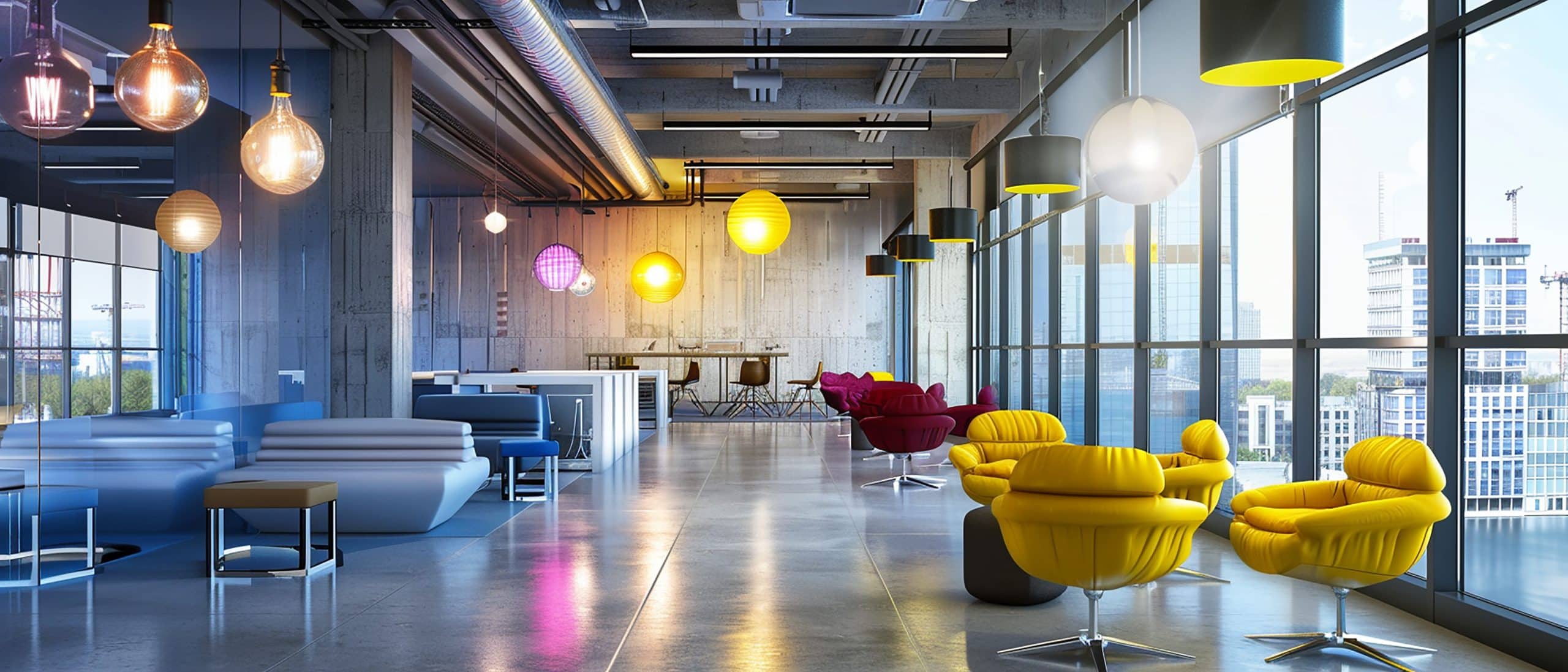
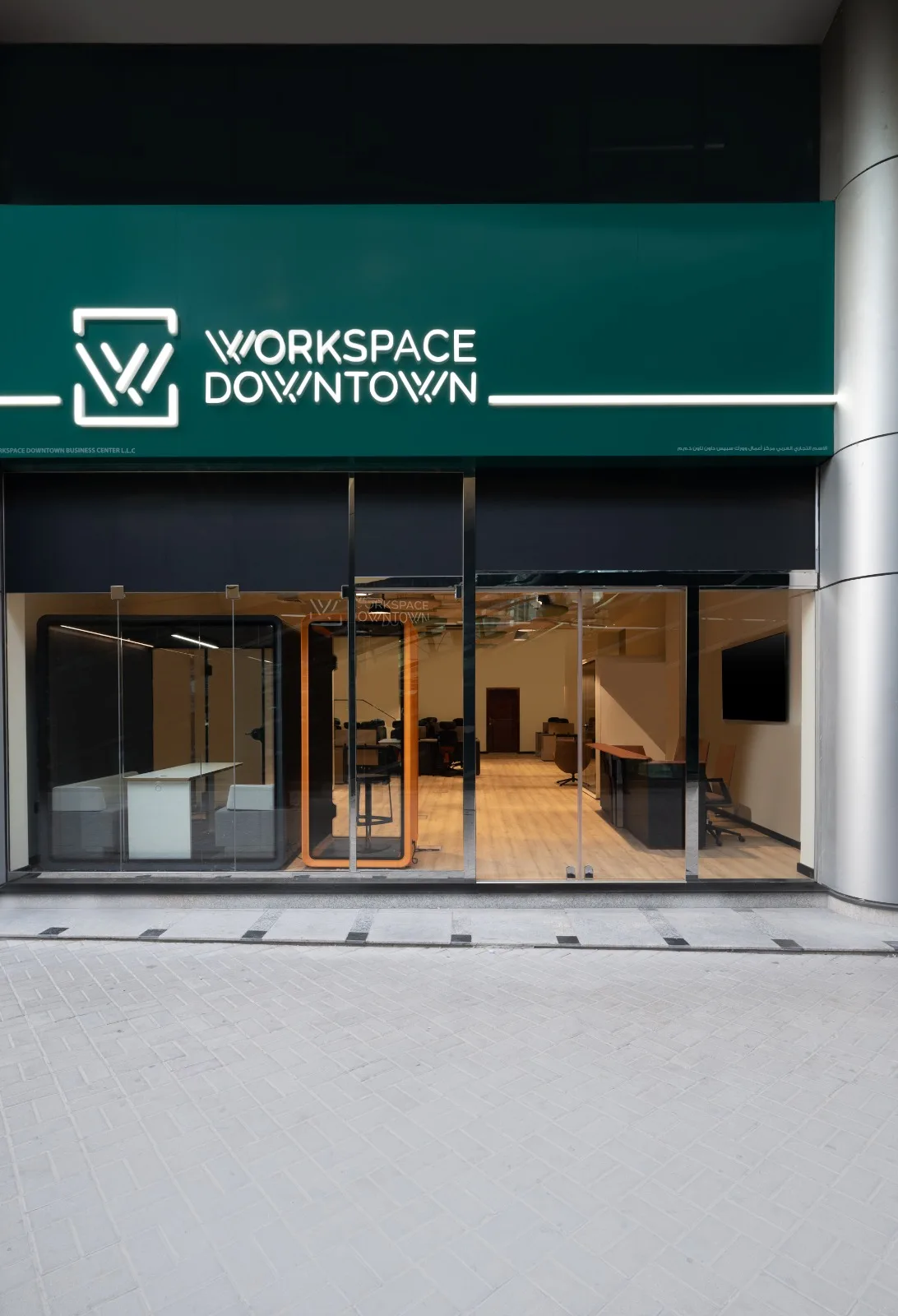
Lastly, the most impactful hack we’ve found is creating spaces that embody the future of work. Workspace Downtown was founded on the principle that the proper environment boosts human potential. Whether it’s an immersive quiet space for focused concentration, a shared office space that encourages interaction, or meeting spaces designed for seamless communication, the physical context of our work shapes how we arrive. Remote work is here to stay, but productivity flourishes when freedom is combined with structure and deliberate design.
In the end, remote workers and freelancers aren’t just remaking the rules of work, they’re creating completely new systems. By embracing rituals, selecting purposeful workspaces, and honoring the balance between concentration and communication, we can reimagine the way we work. The hacks we’ve uncovered are not shortcuts, but sustainable practices that align with the modern worker’s lifestyle. At Workspace Downtown, we’re not just providing office spaces, we’re creating the environments where these new ways of working can flourish.