The Psychology Behind Workspace Design
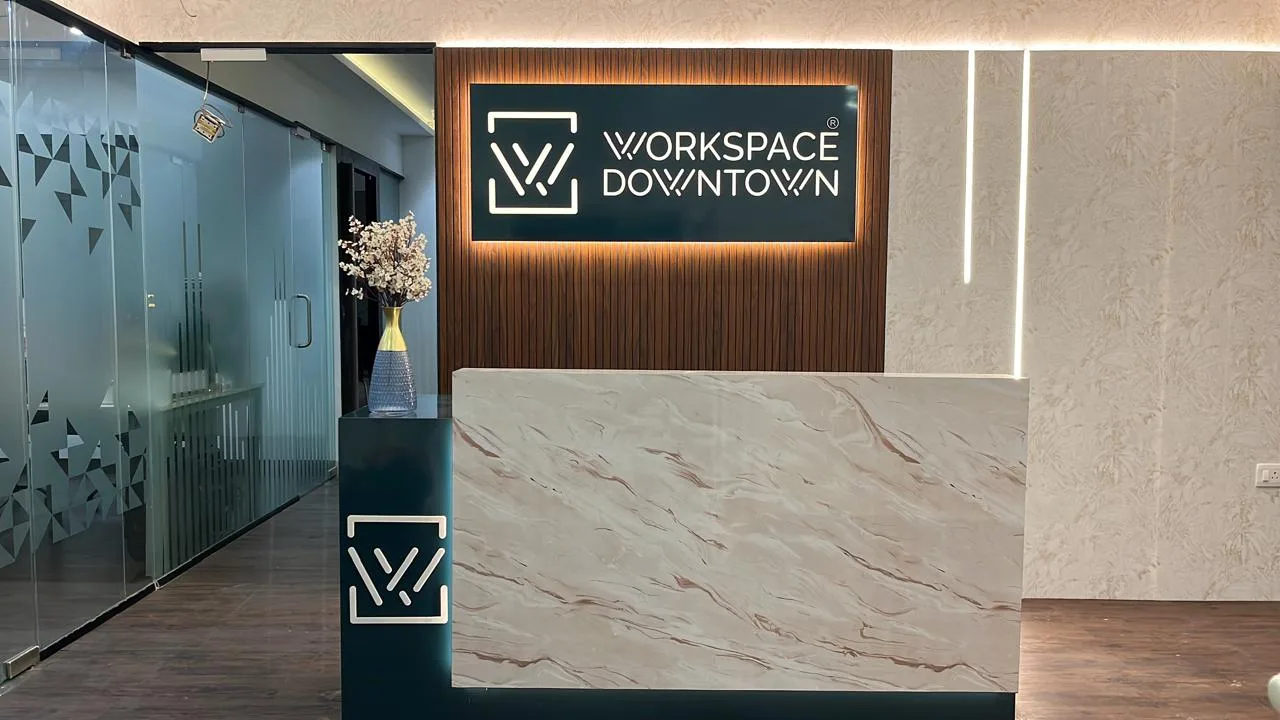
The modern workplace is no longer just a physical setting where tasks are completed; it has evolved into a carefully crafted environment that directly influences human behavior, productivity, and emotional well-being. As businesses adapt to changing work cultures, the rise of Co working spaces reflects a growing awareness of how space design impacts the mind. These shared environments are intentionally designed to foster collaboration, reduce stress, and enhance creativity, making them more than just offices they are psychological ecosystems.
At the core of workspace psychology lies the concept of environmental influence. Human beings are highly responsive to their surroundings, and subtle design elements such as lighting, color, spatial arrangement, and acoustics can significantly affect mood and performance. Natural light, for instance, has been proven to boost serotonin levels, leading to improved focus and reduced fatigue. This is why many modern offices prioritize large windows, open layouts, and biophilic elements like indoor plants. These features are not just aesthetic choices but strategic decisions rooted in behavioral science.
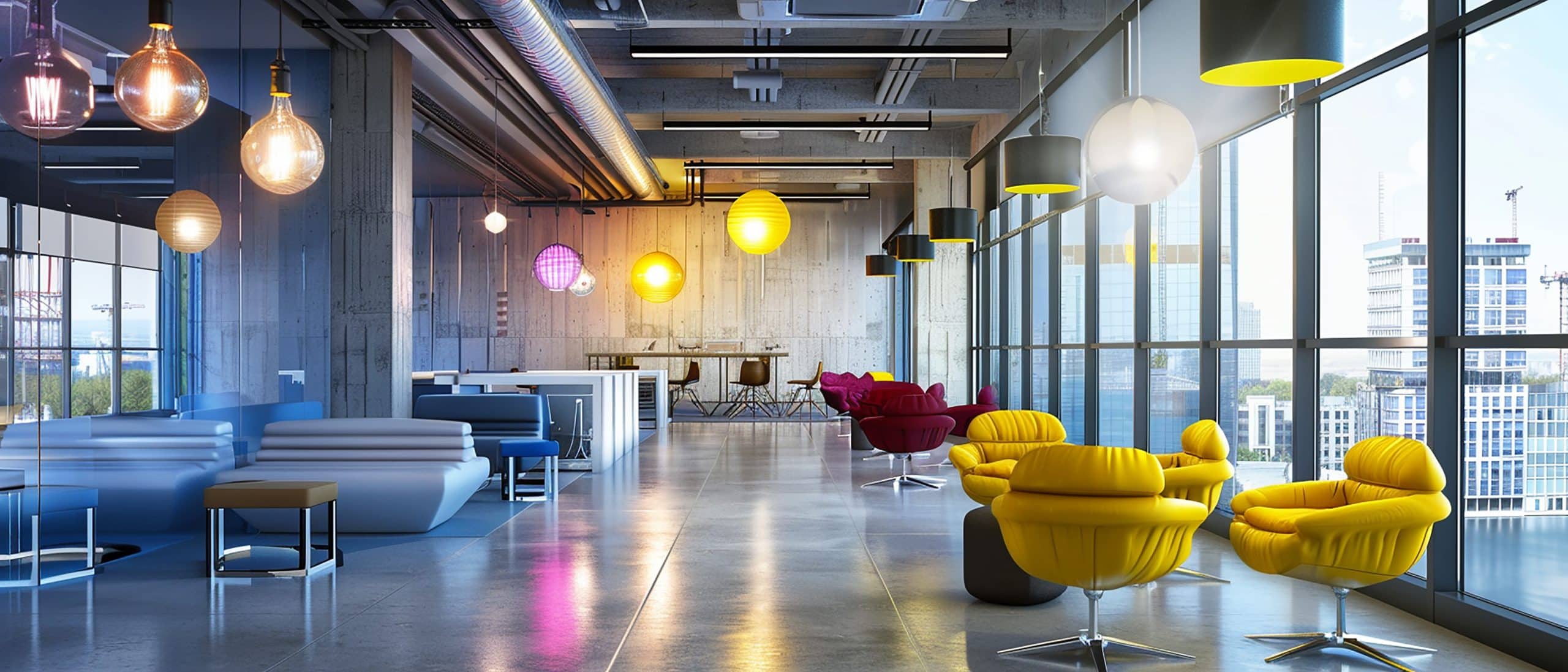
Color psychology also plays a vital role in workspace design. Blue tones are often associated with calmness and concentration, making them ideal for analytical tasks, while warmer shades like orange and yellow can stimulate creativity and energy. Designers carefully select palettes depending on the intended function of a space. In collaborative zones, vibrant hues encourage interaction, whereas private work areas often use muted tones to promote deep focus. This balance ensures that employees can transition seamlessly between different modes of work.
Another critical factor is spatial organization. Open-plan offices gained popularity for promoting teamwork and transparency, but they also introduced challenges such as noise and lack of privacy. This led to the emergence of hybrid layouts that combine open areas with quiet zones and Private office space for rent options. These spaces cater to diverse work preferences, allowing individuals to choose environments that align with their tasks and personality. The ability to control one’s workspace whether through adjustable furniture or flexible seating enhances autonomy, which is a key driver of motivation and job satisfaction.
The psychology of ownership and personalization further underscores the importance of workspace design. When individuals have the freedom to personalize their desks or choose their working spot, they develop a sense of belonging and identity within the organization. This emotional connection can lead to increased engagement and loyalty. In shared environments like Co working spaces this is often achieved through customizable workstations and community-driven design elements that encourage interaction while respecting individuality.
Acoustics is another often-overlooked aspect that has a profound psychological impact. Excessive noise can lead to cognitive overload, reducing productivity and increasing stress levels. Modern workspaces address this by incorporating sound-absorbing materials, quiet pods, and designated silent zones. These solutions ensure that employees can focus without constant interruptions, which is especially important in high-density environments. The availability of Private office space for rent also provides an escape from noise, offering a controlled environment for tasks that require deep concentration.
The role of ergonomics cannot be ignored when discussing workspace psychology. Poorly designed furniture can lead to physical discomfort, which in turn affects mental well-being and efficiency. Ergonomic chairs, adjustable desks, and proper screen positioning are essential for maintaining physical health and preventing fatigue. When employees feel physically comfortable, they are more likely to remain engaged and productive throughout the day. This connection between physical and psychological comfort highlights the holistic nature of effective workspace design.
Social interaction is another key component influenced by design. Humans are inherently social beings, and opportunities for interaction can enhance creativity and problem-solving. Informal meeting areas, lounges, and communal kitchens are intentionally designed to facilitate spontaneous conversations and idea sharing. In Co working spaces these communal zones are central to the experience, creating a sense of community and collaboration among diverse professionals. This social dynamic not only improves work outcomes but also contributes to emotional well-being by reducing feelings of isolation.
Flexibility is perhaps the most defining characteristic of modern workspace design. The traditional nine-to-five office model is being replaced by dynamic environments that adapt to changing needs. Flexible layouts, movable partitions, and multi-functional spaces allow organizations to evolve without significant structural changes. This adaptability is particularly evident in the growing demand for Private office space for rent, which offers businesses the ability to scale operations without long-term commitments. Such flexibility reduces stress and uncertainty, enabling companies and individuals to focus on growth and innovation.
Technology integration also plays a crucial role in shaping the psychological experience of a workspace. Seamless connectivity, smart lighting systems, and digital collaboration tools enhance efficiency and reduce frustration. When technology works intuitively, it minimizes cognitive load, allowing individuals to concentrate on their tasks rather than troubleshooting issues. This alignment between physical and digital environments creates a cohesive experience that supports productivity and well-being.
Ultimately, the psychology behind workspace design is about creating environments that align with human needs and behaviors. It is not just about aesthetics or functionality but about understanding how people think, feel, and interact within a space. By incorporating elements that promote comfort, flexibility, and social connection, modern workspaces can significantly enhance both individual performance and organizational success. As the demand for innovative work environments continues to grow, the principles of psychological design will remain at the forefront, shaping the future of how and where we work.